Introduction: The Unsung Hero of Global Trade
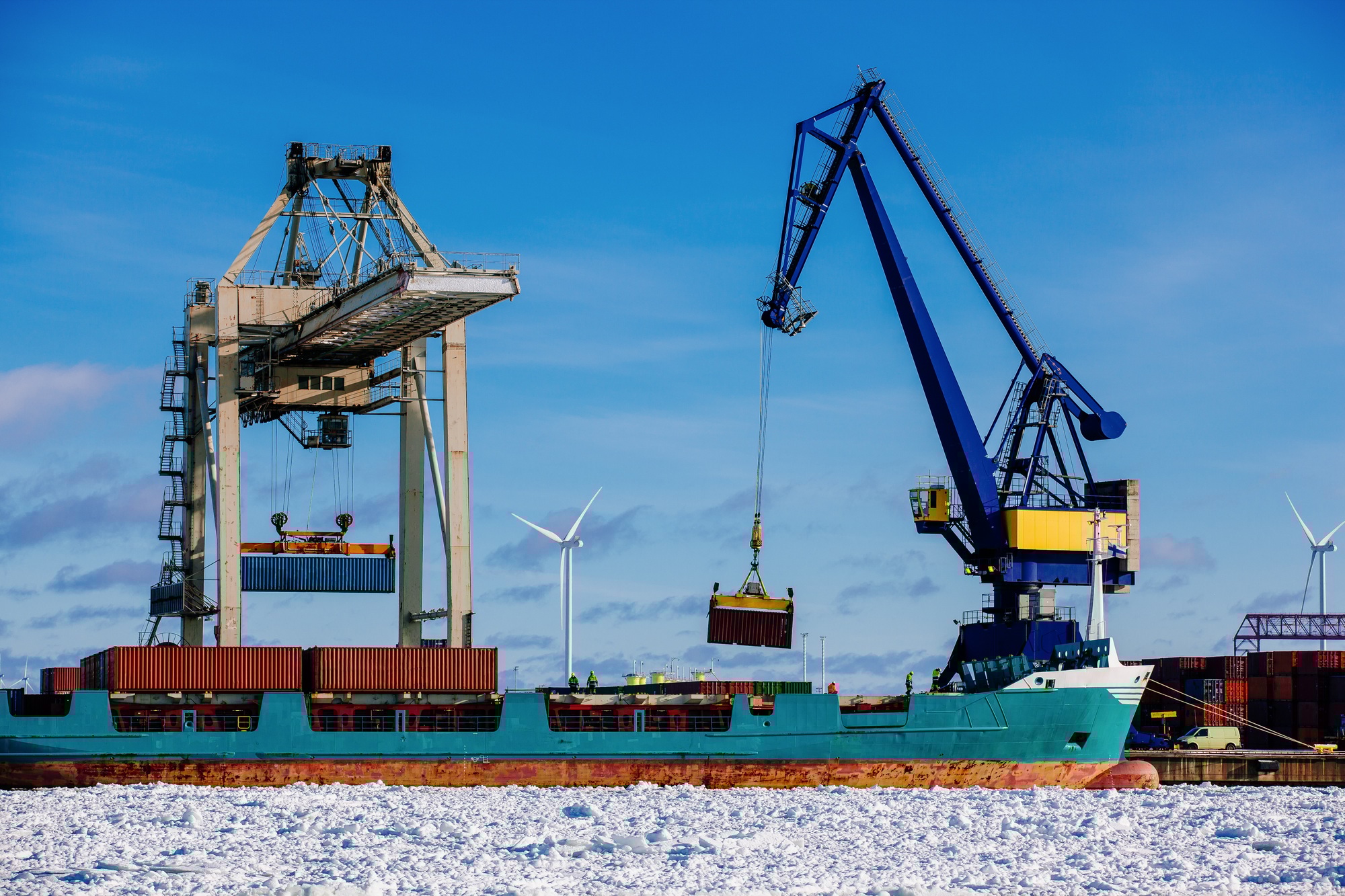
Over 28 million shipping containers move through global ports annually, and 90% rely on container spreaders for safe handling. These critical lifting devices ensure the backbone of international trade flows smoothly. This guide breaks down container spreader mechanics, types, and innovations shaping 2025 logistics operations.
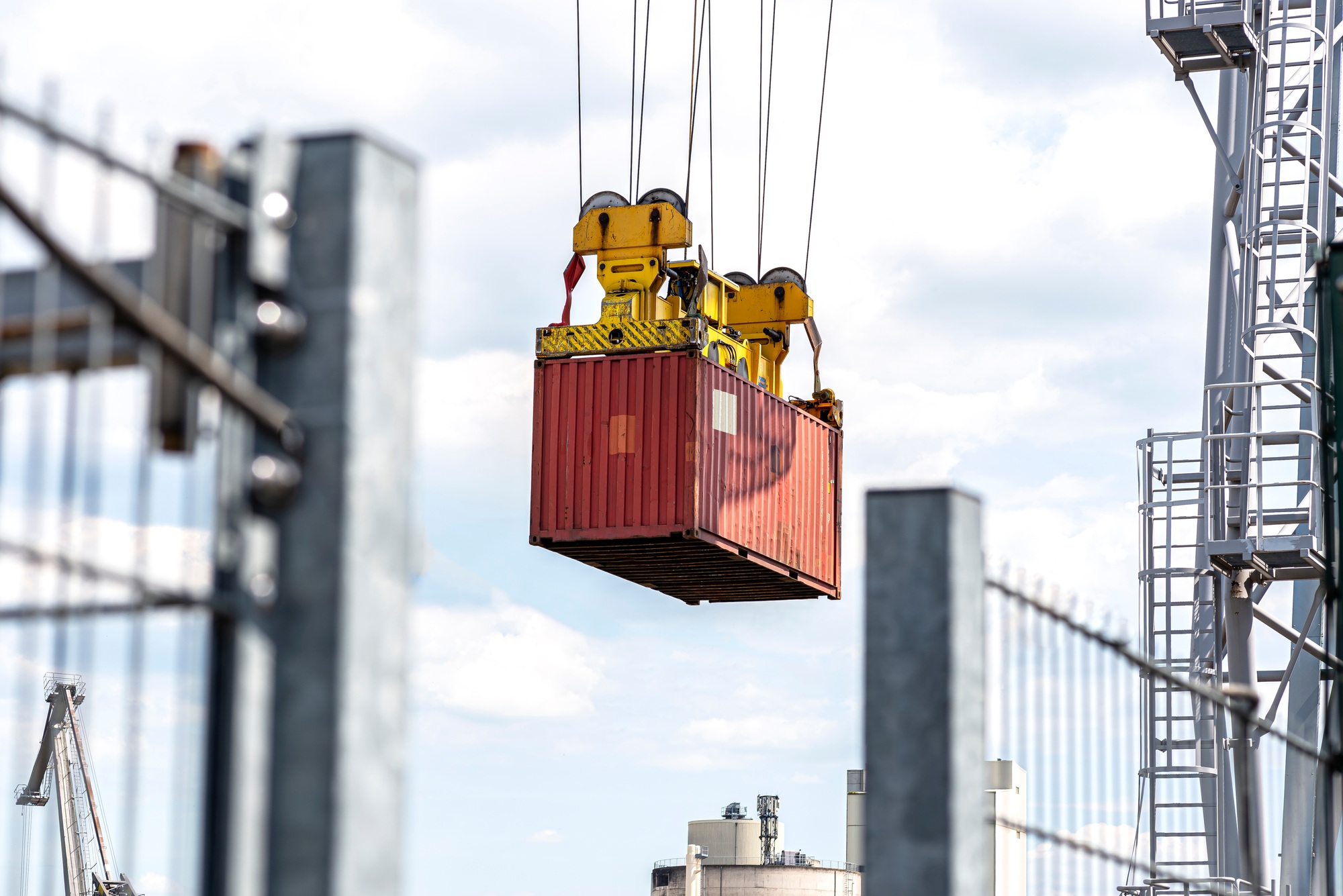
1. Container Spreader 101: Core Components & Functions
Key Components
- Twist Locks: ISO-standardized connectors (ISO 3874)
- Spread Beam: Adjustable 20ft-53ft telescoping arms
- Hydraulic System: 250-400 bar pressure capacity
- Load Sensors: ±0.5% accuracy for weight monitoring
- Control Box: CANBus or wireless remote systems
Primary Functions
- Container Securing: 360° twist lock engagement in <8 seconds
- Weight Distribution: Even load balancing up to 65 metric tons
- Size Adaptation: Automatic adjustment for 20′, 40′, 45′, 53′ containers
- Safety Compliance: Overload protection (110% capacity cutoff)
2. Types of Container Spreaders (2024 Update)
| Type | Max Load | Applications | Key Innovation 2024 |
|---|---|---|---|
| Fixed Frame | 35 tons | Small terminals | Laser-guided alignment |
| Telescopic | 50 tons | Multi-size operations | AI-powered auto-adjustment |
| Double/Twin Lift | 65 tons | High-volume ports | Synchronized lifting tech |
| Offshore | 75 tons | Energy sector | Saltwater-resistant alloys |
| Automated (ASC) | 45 tons | Smart ports | 5G remote control |
Emerging Trend: Hybrid spreaders combining hydraulic reliability with electric efficiency (30% energy savings).
3. How Container Spreaders Work: Technical Breakdown

Step-by-Step Operation
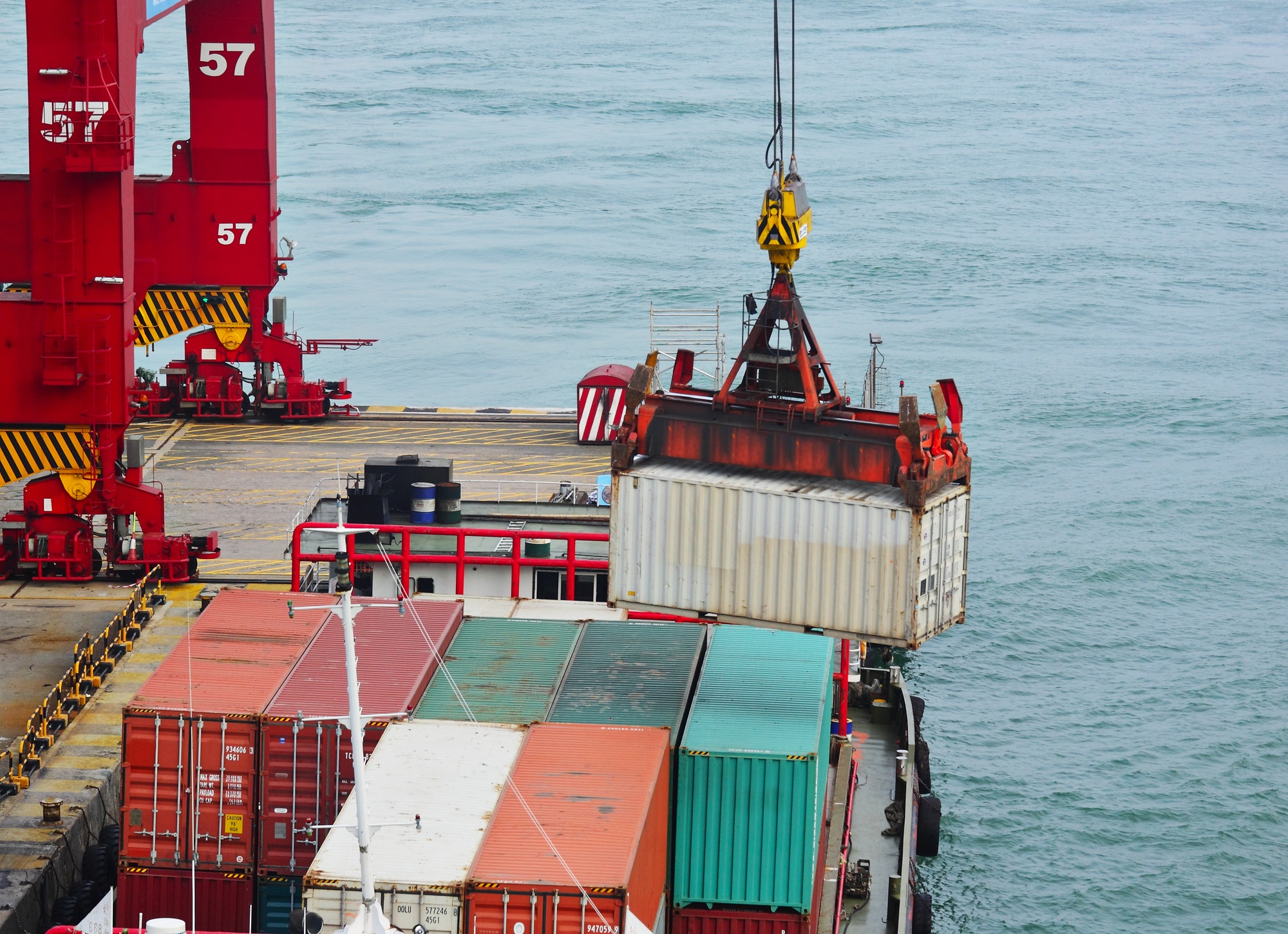
- Approach: Spreader lowers over container (3-5 cm clearance)
- Alignment: Laser sensors detect corner castings (±2mm precision)
- Locking: Twist locks engage simultaneously (ISO 1161 compliant)
- Lifting: Hydraulic cylinders activate (0.3-0.5 m/s ascent speed)
- Transport: Load monitoring during movement (real-time telemetry)
Pro Tip: Regular twist lock lubrication reduces engagement time by 40% (Mobilgrease XHP 681 spec).
4. Critical Specifications for Procurement
2025 Benchmark Standards
- Cycle Time: <90 seconds (load/unload cycle)
- Durability: 100,000+ cycles before major overhaul
- Power Systems:
- Traditional: 480V 60Hz hydraulic pumps
- Electric: 150kW lithium battery packs
- Safety Certifications:
- DNV GL 2.22-1 (offshore)
- EN 12079-2 (EU compliance)
- OSHA 1918.85 (US ports)
Red Flag: Avoid spreaders without IoT-enabled predictive maintenance capabilities.
5. Maintenance Checklist: Extending Spreader Lifespan
Daily
- Inspect twist lock wear (max 3mm deformation)
- Test emergency stop function
- Check hydraulic fluid levels
Monthly
- Calibrate load sensors (±1% tolerance)
- Replace hydraulic filters
- Test wireless control latency (<200ms)
Annual
- Ultrasonic testing for structural cracks
- Full hydraulic system flush
- Software/firmware updates
Case Study: Hamburg Port reduced spreader downtime 62% using SKF Condition Monitoring sensors.
6. Safety Innovations: 2025 Advancements

- Collision Avoidance Systems: 360° LiDAR detection (10m range)
- Anti-Sway Technology: AI gyroscopes reducing swing by 75%
- Load Security Verification: RFID tag confirmation of proper locking
- Emergency Descent: Fail-safe mechanisms (1.5m/s max descent rate)
2025 Incident Data:
- Spreaders with smart tech: 0.7 accidents/10k lifts
- Conventional spreaders: 4.1 accidents/10k lifts
(Source: International Cargo Handling Coordination Association)
7. Future Trends: The Next Generation of Spreaders
Automation Integration
- 5G Remote Operation: <10ms latency for offshore lifts
- Blockchain Logging: Immutable lift records for insurance compliance
Sustainability Focus
- Hydrogen-Powered Hydraulics: Zero-emission lifting
- Recyclable Composites: Carbon-fiber beams (35% lighter)
AI Enhancements
- Predictive component failure alerts (85% accuracy)
- Auto-adjustment for damaged containers
FAQ: Answering Top Google Searches
Q: How much does a container spreader cost?
A: 400k+ depending on type and specs. Get 2025 Price Guide PDF.
Q: Can spreaders handle refrigerated containers?
A: Yes, with specialized ISO 1496-2 compliant models.
Q: What’s the lifespan of a container spreader?
A: 10-15 years with proper maintenance.
Q: Are used spreaders worth buying?
A: Only if certified under ISO 23814:2023 refurbishment standards.

Conclusion: Optimizing Spreaders for Modern Logistics
With global container traffic projected to grow 4.9% annually (Drewry 2025), smart spreader selection impacts:
- Operational Efficiency: 30% faster turnaround
- Safety Compliance: 80% fewer incidents
- Sustainability Goals: 25% energy reduction
Next Steps:
- Download Free Spreader Maintenance Schedule Template
- Book Consultation with Certified Lifting Equipment Engineers
- Watch: “10 Deadly Spreader Mistakes” Webinar
Contact Us to get more usefull informations!