Introduction: The Automation Crossroads
Global container ports handled 817 million TEUs in 2023 (World Shipping Council), with automation adoption accelerating at 14.2% CAGR. As terminals face pressure to improve efficiency while reducing emissions, the choice between Automated Guided Vehicles (AGVs) and Rubber-Tired Gantry Cranes (RTGs) has become critical. This 2024 guide analyzes 7 key decision factors with actionable frameworks for port managers.
1. Technical Specifications Face-Off
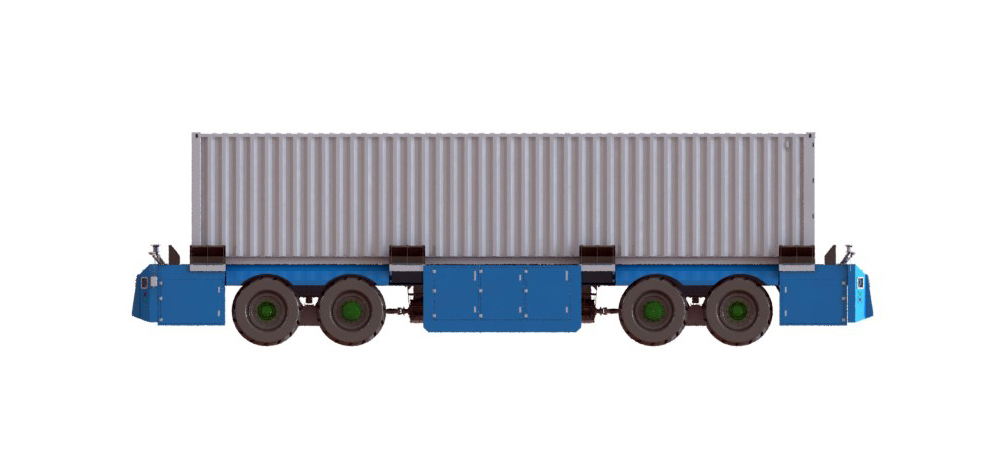
AGV Container Handlers
- Load Capacity: 40-70 tons (dual-cycle operations)
- Positioning Accuracy: ±2 cm with LiDAR guidance
- Power Source: Lithium batteries (350-600 kWh capacity)
- Typical Lifespan: 8-12 years
Traditional RTGs
- Load Capacity: 50-100 tons (single-cycle)
- Positioning Accuracy: ±10 cm (operator-dependent)
- Power Source: Diesel-electric hybrid (15-20L/hr fuel consumption)
- Typical Lifespan: 15-20 years
Key Difference: AGVs excel in precision and automation integration, while RTGs offer higher single-lift capacities.
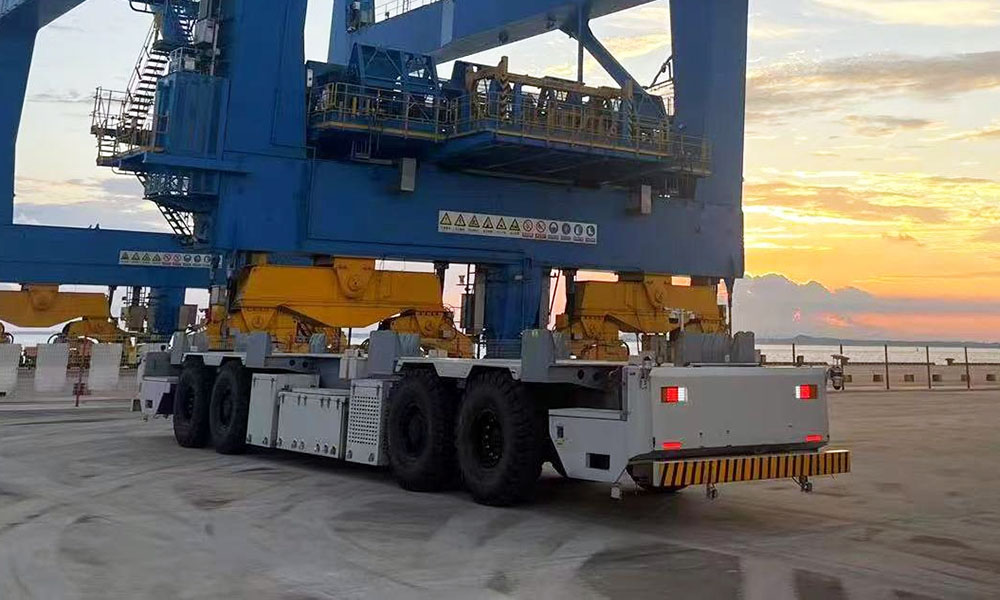
2. Total Cost Analysis (2024 Figures)
| Cost Factor | AGV System | RTG System |
|---|---|---|
| Initial Purchase | 2.5M per unit | 1.5M per unit |
| Infrastructure Modifications | 8M (guide paths, charging stations) | $500K (foundation upgrades) |
| Labor Costs (5-year) | $120K (remote monitoring) | $1.8M (6 operators/shift) |
| Energy Costs (5-year) | $150K (electricity) | $950K (diesel + maintenance) |
| 5-Year Total | 10.6M | 8.25M |
| Data Source: Port Technology International 2024 Benchmark Report | ||
| Pro Tip: Use this formula to calculate breakeven point: | ||
| (RTG Labor Costs – AGV Automation Costs) / (AGV Energy Savings) = Payback Period |
3. Operational Efficiency Metrics
Throughput Comparison
- AGV Systems:
- 35-40 moves/hour (closed-loop systems)
- 95% uptime with predictive maintenance
- RTG Systems:
- 25-30 moves/hour (skilled operators)
- 88% uptime (shift change impacts)
Case Study: Rotterdam’s Maasvlakte II terminal achieved 22% productivity gains after replacing 18 RTGs with AGV fleets (2023).
4. Maintenance Complexity
AGV Pain Points
- Battery degradation (12-15% capacity loss/year)
- Sensor calibration every 450 operating hours
- Software update compatibility issues
RTG Pain Points
- Diesel engine overhauls ($25k every 10,000 hours)
- Tire replacement costs ($12k/set every 2 years)
- Wire rope inspections (weekly load testing)
Maintenance Checklist:
[ ] Conduct terminal digital maturity assessment
[ ] Verify OEM remote diagnostic capabilities
[ ] Audit spare parts inventory turnover rate
5. Safety & Compliance Factors
| Risk Category | AGV Systems | RTG Systems |
|---|---|---|
| Collision incidents | 0.2/10k hrs | 1.7/10k hrs |
| OSHA reportables | 3% | 19% |
| Emission Compliance | Zero onsite | Tier 4 Final |
| 2024 ICHCA Safety Report highlights AGVs’ 83% lower accident rates. |
6. Future-Proofing Considerations
2024 Automation Trends Impacting Choice:
- 5G-enabled AGVs achieving <10ms latency for real-time rerouting
- Hydrogen retrofit kits for existing RTG fleets ($150k/unit conversion)
- AI-powered load prediction reducing empty AGV runs by 40%
Red Flag: Terminals without equipment API integration capabilities may face interoperability issues by 2026.
Download: [Interactive AGV vs RTG Decision Matrix Template] (link to gated PDF)
Industry Voices: What Terminal Operators Say
“We achieved ROI in 3.2 years by phasing AGVs into existing RTG operations. The key was implementing Kalmar’s Auto-RTG hybrid control system.”
– Lars van den Berg, Port of Antwerp-Bruges Operations Director
FAQ Section Targeting Long-Tail Keywords
Q: Can AGVs and RTGs work in the same terminal?
A: Yes, through systems like Konecranes’ SmartPort integration platform. Watch our AGV-RTG coordination demo video.
Q: How long does AGV implementation take?
A: 6-18 months depending on terminal IT infrastructure readiness.
Q: Do RTGs have any automation potential?
A: Modern RTGs can integrate auto-steering and collision avoidance systems at 30-40% of full automation costs.
Conclusion: Strategic Implementation Roadmap
For most terminals in 2024, we recommend:
- Phased Automation: Start with AGVs for horizontal transport, retain RTGs for stacking
- Lifecycle Management: Retrofit existing RTGs with automation components
- Data Infrastructure: Implement terminal OS like NAVIS N4 before full AGV deployment
Next Steps:
- Book a terminal automation audit with our experts
- Download 2024 Port Equipment ROI Calculator
- Watch webinar: “AGV Implementation Mistakes to Avoid”
Contact Us for more informations feel freely!